Written by Jackson Pearce Student engineer and creator of TalonTodo
Last semester, I hit a wall. I was pulling all-nighters for my robotics project, skipping meals to finish assignments, and canceling plans with friends because I "had to study." My grades were good, but I was miserable. I realized I wasn't managing my life—I was just surviving it.
That's when I understood that balance isn't about perfect equilibrium. It's about creating a sustainable system where you can excel academically without sacrificing everything else. This realization was part of why I built TalonTodo—I needed a tool that would help me see the full picture of my commitments, not just my assignments.
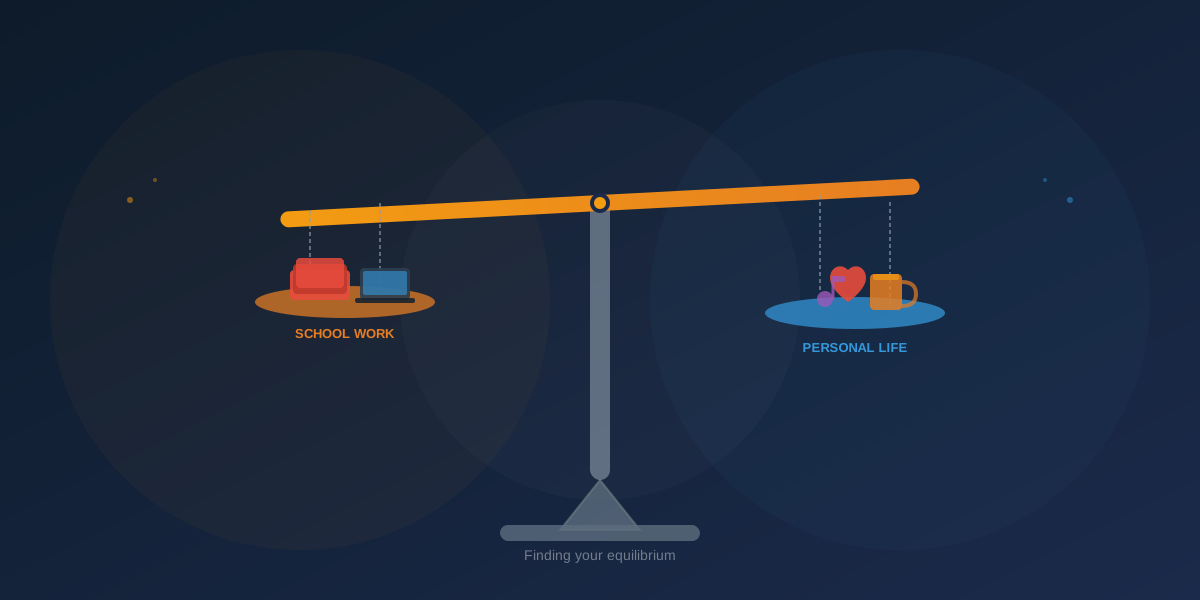
What Balance Actually Means
Balance isn't equal time for everything. That's impossible and exhausting. Real balance means having enough time and energy for what matters most to you—academics, relationships, health, and the things that make you feel alive.
I used to think balance meant saying yes to everything and somehow making it all work. That's not balance—that's burnout waiting to happen. True balance requires saying no to some things so you can say yes to what truly matters.
Why Balance Matters for Students
When I was drowning in work, I noticed something: I wasn't actually more productive. I was just more stressed. My work quality suffered. My relationships suffered. My health suffered. And ironically, my grades didn't improve—they just maintained while I burned out.
Balance matters because:
Sustained Performance: You can't sprint through an entire semester. Balance allows you to maintain quality work over the long term.
Mental Health: Constant stress and overwhelm take a toll. Balance protects your mental well-being.
Relationships: The people in your life matter. Balance ensures you have time for them.
Physical Health: Sleep, exercise, and nutrition aren't optional. Balance makes room for them.
Joy: Life should include things you enjoy, not just obligations. Balance creates space for joy.
Understanding Your Priorities
The first step to balance is getting clear on what actually matters to you. I spent my first two years of college trying to do everything, and I ended up doing nothing particularly well.
Define Your Core Priorities
Take time to honestly identify what matters most:
Academic Goals: What do you want to achieve? Not what others expect—what do you actually want?
Relationships: Who are the people you can't imagine life without? Family, close friends, partners?
Health: What does your body need to function well? Sleep, movement, nutrition?
Personal Growth: What activities help you grow? Hobbies, interests, experiences?
Financial Stability: What work commitments are necessary?
Your priorities will be different from mine, and that's okay. The key is knowing what they are so you can make decisions that align with them.
Accept That You Can't Do Everything
This was hard for me to accept. I wanted to be the perfect student, the perfect friend, the perfect everything. But perfect doesn't exist, and trying to achieve it made me miserable.
You'll need to make trade-offs:
- Sometimes academic work takes priority
- Sometimes personal needs must come first
- Some activities may need to be paused temporarily
- You can't do everything at maximum intensity
Accepting this reality reduces guilt and helps you make intentional choices instead of reactive ones.
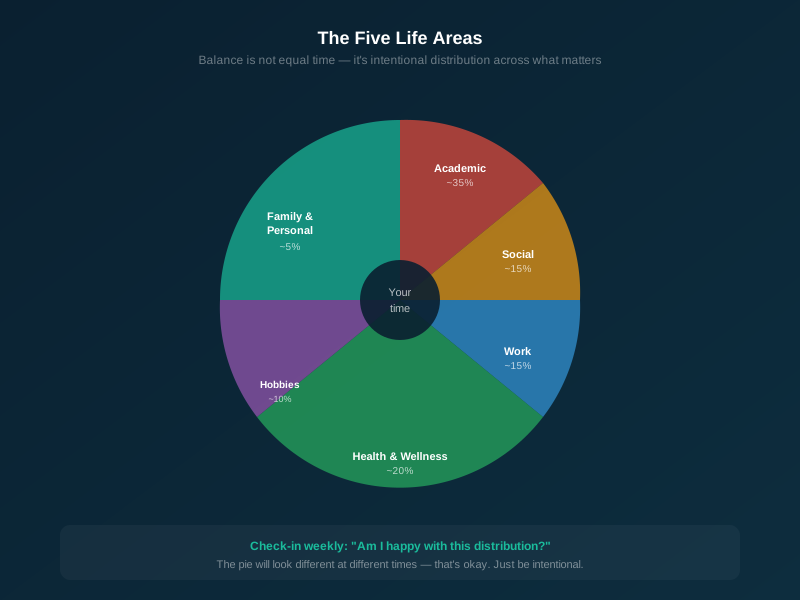
Strategies for Achieving Balance
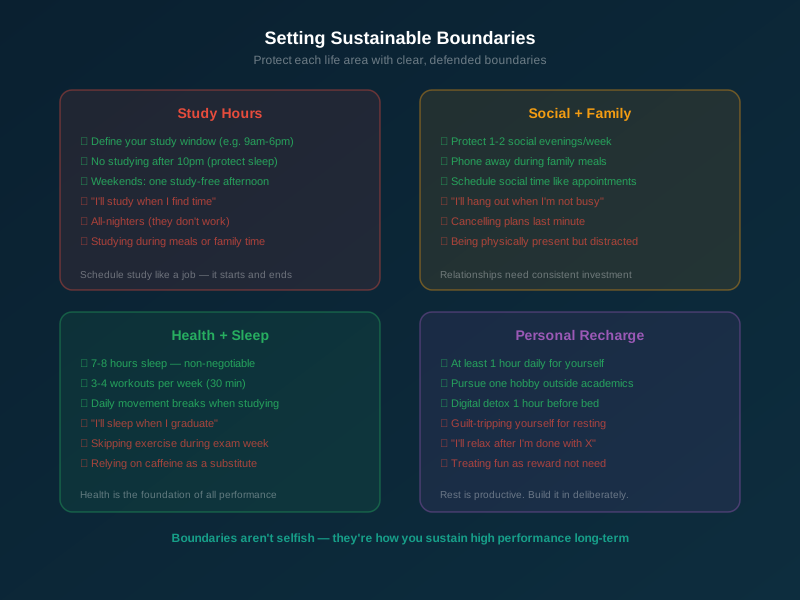
Set Clear Boundaries
Boundaries protect your time and energy. I used to let everything bleed together—studying during meals, checking emails during social time, working during breaks. No wonder I felt like I was always working.
Academic Boundaries:
- Designated study times and spaces
- No work during meals
- Specific times when you're "off" from school work
- Limits on how late you'll work
Work Boundaries:
- Specific hours and not working outside them
- Clear communication with employers about availability
- Not checking work messages during study time
Social Boundaries:
- Time for relationships without feeling guilty
- Saying no to social events when you need rest
- Being present when you're with people
Technology Boundaries:
- Limits on screens and notifications
- Phone-free zones or times
- No devices during meals or before bed
Communicate your boundaries clearly to others. People can't respect boundaries they don't know about.
Schedule Everything Important
If it matters, it deserves a spot on your calendar. I used to only schedule classes and assignments, then wonder why I never had time for exercise or friends.
Put everything important on your calendar:
- Study blocks for each class
- Work shifts
- Social time with friends
- Exercise or fitness activities
- Meal times
- Personal time and self-care
- Sleep (yes, schedule your sleep)
When everything is scheduled, you can see the full picture and make adjustments before you're overwhelmed.
Learn to Say No
This was my biggest challenge. I wanted to be helpful, available, involved. But saying yes to everything meant I had no time for what actually mattered.
Your time and energy are limited. Saying no to some things allows yes to others:
- Decline invitations when overloaded
- Turn down extra commitments
- Set limits on requests from others
- Protect your priorities
Saying no isn't selfish—it's necessary for balance. The people who matter will understand.
Use Time-Blocking
Time-blocking ensures all priorities get attention. I block time for:
- Academic work
- Personal time
- Relationships
- Self-care
- Work
Visible blocks help you see and honor all aspects of your life. When you see "Exercise - 6pm" on your calendar, you're more likely to actually do it.
Build in Buffer Time
Don't pack every minute. I used to schedule back-to-back activities, then get stressed when something ran over.
Leave space:
- Between scheduled activities (15-30 minutes)
- For unexpected tasks
- For transitions
- For rest
Buffer time prevents overcommitment and reduces stress. It also gives you breathing room when things don't go as planned.
Practice Presence
When you're studying, study. When you're socializing, socialize. I used to check my phone during conversations and think about assignments during meals. I was never fully present anywhere.
Practice presence by:
- Avoiding multitasking
- Giving full attention to current activity
- Being present with people
- Focusing on one thing at a time
Presence improves quality and satisfaction in all activities. You'll get more done in less time when you're fully focused, and you'll enjoy your personal time more when you're actually present.
Managing Academic Work Efficiently
The more efficiently you handle academic work, the more time you have for everything else. This was a game-changer for me.
Efficient Study Habits
Effective studying means less time needed:
- Use active learning techniques (testing yourself, teaching concepts)
- Focus during study sessions (no distractions)
- Study when most alert (match work to energy levels)
- Use spaced repetition instead of cramming
I used to "study" for hours while scrolling through my phone. Now I study for focused 90-minute blocks and get more done.
Avoid Perfectionism
Perfect work takes exponentially more time than excellent work. I used to spend hours making assignments "perfect" when they were already good enough.
- Aim for excellence, not perfection
- Know when good is good enough
- Prioritize effort appropriately
- Don't spend disproportionate time on low-impact tasks
This was hard for me—I'm naturally a perfectionist. But learning to stop when something is "good enough" freed up hours every week.
Plan for Heavy Periods
Academic work isn't evenly distributed. Midterms and finals are intense. I learned to plan ahead:
- Identify busy periods in advance (check syllabi at semester start)
- Plan lighter personal commitments during these times
- Communicate with others about heavy periods
- Schedule recovery time after intensive periods
During heavy periods, I temporarily reduce social activities and focus on academics. But I always schedule recovery time afterward.
Maintaining Personal Relationships
Relationships matter. But when you're busy, they're easy to neglect. I've lost friendships because I was "too busy" to maintain them.
Quality Over Quantity
Meaningful relationships don't require constant contact:
- Regular check-ins with family (even short calls matter)
- Scheduled time with friends (one good hangout beats many rushed ones)
- Quality time with partners (be present when you're together)
- Be present when you're together (put phone away)
I schedule one quality social activity per week. It's not much, but it's consistent and meaningful.
Communicate Expectations
Help others understand your situation:
- Explain your schedule and commitments
- Set expectations about availability
- Discuss how you'll stay connected
- Ask for understanding during busy periods
Clear communication prevents misunderstandings. My friends know that during finals, I'll be less available, but I'll make it up afterward.
Make Time Count
When you do have time together, make it meaningful:
- Put away devices
- Be fully present
- Engage in activities you enjoy together
- Create memories and connection
Quality time strengthens relationships even when quantity is limited.
Self-Care and Wellness
You can't pour from an empty cup. Self-care isn't selfish—it's necessary. I learned this the hard way when I got sick during finals because I wasn't sleeping or eating properly.
Physical Health
Your body supports everything else:
- Sleep: Aim for 7-9 hours nightly. I used to think I could function on 5 hours. I was wrong.
- Exercise: Regular physical activity, even 20-30 minutes. I schedule three workouts per week.
- Nutrition: Regular, balanced meals. Meal prep on Sundays saves me time and ensures I eat well.
- Hydration: Drink enough water throughout the day.
Physical health supports mental and academic performance. When I'm well-rested and fed, I study better and feel better.
Mental Health
Mental well-being is as important as physical:
- Stress management: Use healthy coping strategies (exercise, meditation, talking to someone)
- Support systems: Maintain connections with others
- Professional help: Seek counseling when needed (I did, and it helped)
- Relaxation: Build in time for activities you enjoy
Mental health supports everything else. When I'm anxious or overwhelmed, nothing else works well.
Prevent Burnout
Burnout occurs when demands exceed resources. I've been there—exhausted, unmotivated, just going through the motions.
Recognize warning signs early:
- Constant exhaustion
- Loss of motivation
- Irritability
- Physical symptoms (headaches, stomach issues)
- Feeling overwhelmed all the time
Take action:
- Take breaks before exhaustion
- Adjust commitments when overwhelmed
- Seek support when needed
- Prioritize recovery time
Prevention is easier than recovery. I now take one full day off per week with no work allowed.
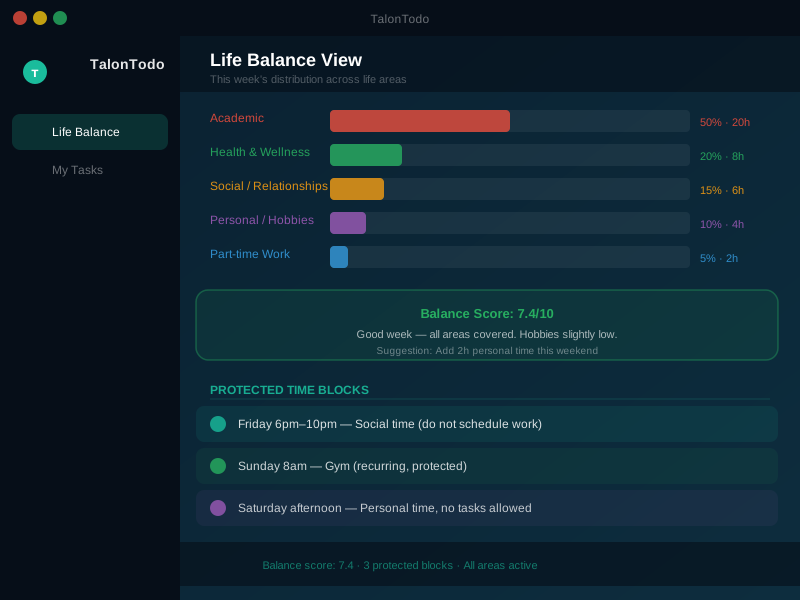
How TalonTodo Helps Me Balance
I built TalonTodo because I needed to see my entire life in one place—not just my assignments, but my work schedule, personal commitments, and everything else. The calendar sync feature was crucial for this.
Why I built it: I was using separate apps for tasks, calendar, and notes. Nothing showed me the full picture. I needed one place where I could see how everything fit together.
How it helps with balance: TalonTodo's calendar integration shows me when I have too much scheduled. I can see conflicts before they happen. The smart scheduler suggests when to work on assignments based on my actual availability, not just deadlines.
Feature example: The daily goal feature helps me balance by ensuring I'm not just working all day. I set a goal to complete a certain number of tasks, and once I hit it, I'm done. This prevents me from overworking and ensures I have time for other priorities.
The app helps me maintain boundaries too. When I see all my commitments in one view, I can say no to new things because I can literally see I don't have time.
Managing Work Commitments
Many students work while studying. I work part-time, and it's been a constant balancing act.
Set Clear Limits
If you work while studying, set limits:
- Maximum hours per week (I cap mine at 15)
- No work during exam periods if possible
- Specific days/times you won't work
- Not working on rest days
Clear limits protect academic and personal time.
Communicate with Employers
Help employers understand your situation:
- Share your academic schedule
- Discuss flexibility needs
- Set expectations about availability
- Request consideration during busy periods
Many employers are accommodating to students. I've been upfront about my schedule, and my boss has been flexible during busy periods.
Make Work Count
When you work, make it meaningful:
- Choose work that aligns with goals if possible
- Develop skills transferable to your career
- Build professional relationships
- Find work that fits your schedule and needs
Work can support both financial and career goals while still allowing balance.
Signs You're Out of Balance
Watch for warning signs:
- Constant stress and anxiety
- Declining academic performance
- Neglected relationships
- Physical health issues
- Loss of motivation
- Feeling overwhelmed constantly
- No time for things you enjoy
- Exhaustion and burnout
If you notice these, it's time to rebalance. I check in with myself weekly: How am I feeling? Am I enjoying life? Do I have time for what matters?
Rebalancing Strategies
When balance slips, take action:
Assess Your Current State
Honestly evaluate where things stand:
- What's consuming too much time or energy?
- What's being neglected?
- Where do you feel most imbalance?
- What changes are needed?
I do this monthly. Sometimes I realize I've been working too much and need to cut back. Sometimes I realize I've been neglecting friendships.
Make Adjustments
Create a plan to rebalance:
- Reduce or eliminate non-essential commitments
- Adjust time allocation
- Set new boundaries
- Communicate changes to others
- Schedule neglected priorities
Rebalancing is an ongoing process, not a one-time fix.
Seek Support
You don't have to rebalance alone:
- Talk to friends or family
- Consult academic advisors
- Access campus counseling services
- Join support groups
- Consider professional help when needed
I've talked to friends about feeling overwhelmed, and they've helped me see what I could cut back on.
Creating Your Balanced Life
Balance looks different for everyone. Create what works for you:
- Identify your priorities clearly
- Assess current balance honestly
- Set boundaries to protect priorities
- Schedule everything important
- Practice saying no when needed
- Review regularly and adjust
- Prioritize self-care always
- Find joy in daily life
Long-Term Perspective
Remember that student life is temporary. Heavy academic periods are seasons that pass. Maintaining balance helps you:
- Finish your education successfully
- Build healthy habits for life
- Preserve relationships that matter
- Develop skills for future challenges
- Enjoy the journey, not just the destination
I'm still learning to balance. Some weeks are better than others. But having systems in place—like TalonTodo to track everything and clear boundaries to protect my time—makes it much more manageable.
Balance isn't about perfection. It's about creating a life where you can thrive academically while still being human. You can have good grades and good relationships. You can work hard and still have fun. You just need the right systems and the courage to protect what matters.
Start this week. Identify one area where you're out of balance and make one small change. Maybe it's scheduling your sleep. Maybe it's saying no to one extra commitment. Maybe it's blocking time for exercise. Small changes compound into real balance.
See the term before you add more
Balance is easier when the due dates are in one place. The Best Free Student Planner Apps in 2026 shows which free plans can hold a full course load.
About the author Jackson Pearce is a student engineer and the creator of TalonTodo, a productivity app designed to help students manage projects, deadlines, and daily tasks more effectively.